From the desk of Dr. Junior Dillion, President and CEO of Volunteers of America Upstate New York
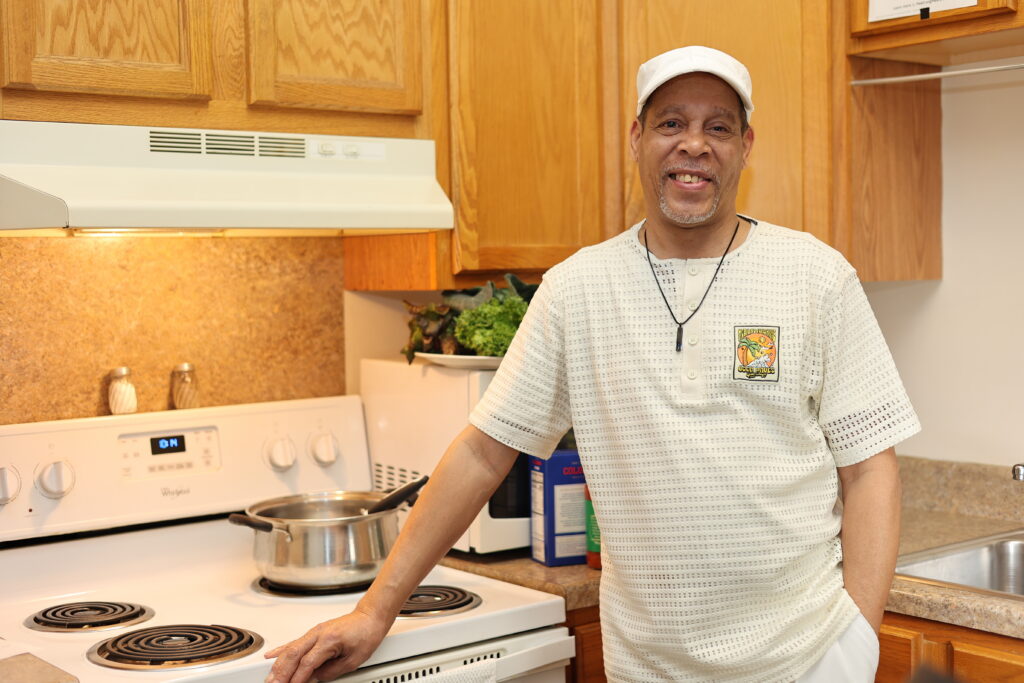
Permanent Supportive Housing plays a vital role in helping people move beyond homelessness and build stable, healthier lives. By combining long-term affordable rental assistance with flexible, person-centered support services, PSH serves individuals living with disabilities, chronic health conditions, substance use disorders, and complex behavioral health needs. Research consistently shows it reduces returns to homelessness and out performs short-term solutions.
Chronic homelessness is not simply a housing availability issue. The public debate often frames PSH as costly, but it actually reduces overall public spending by decreasing reliance on expensive crisis services like hospitals, jails, and shelters. PSH is not charity, it is essential infrastructure that shifts systems from crisis response to prevention and long-term stability.
Across Monroe County, more than 600 households rely on PSH, including hundreds supported by VOA through scattered-site and facility-based housing. These are individuals and families who are already housed, already stabilized, and already rebuilding their lives. Right now, that stability is at risk.
Federal funding uncertainty threatens not just future growth, but existing programs. Even small disruptions could displace hundreds of people and place added strain on already stretched community resources. Programs should always be evaluated and improved but not dismantled. When affordable housing is scarce, removing supportive housing does not create flexibility; it creates displacement and undoes decades of progress.
As a community, we have both an opportunity and a responsibility to protect what works by preserving existing housing, prioritizing those with the greatest needs, and continuing to improve services without disrupting stability.
If we are serious about ending chronic homelessness, and not simply shifting it from one part of the system to another, Permanent Supportive Housing must remain central to our strategy.
It stabilizes lives.
It reduces public cost.
It strengthens communities.
And we cannot afford to undo what works.